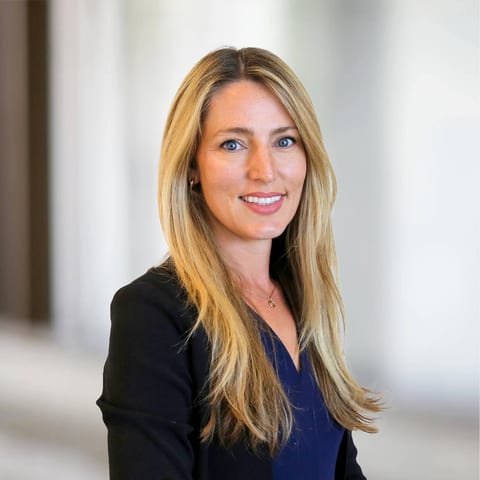
Maren, MD
Fertility Specialist · Reproductive Endocrinologist
Find telehealth shifts, AI training projects, expert witness gigs, utilization review, and tech consulting — matched to your specialty, licenses, availability, and rate. Get verified once. Match with hundreds of jobs with one click.
Folio matches verified clinicians to remote, flexible jobs. A single verified profile matches with hundreds of telehealth, AI training, expert witness, and consulting roles ranked by fit.
Trusted by clinicians from


Verify your ID to claim your profile and tell us your work preferences: availability, comp, and interests. Folio verifies every credential at the primary source — you don't lift a finger.
Psychiatry · Adult ADHD
Review remote and flexible jobs that fit your specialty, licenses, availability, comp, and interests. Weekly matches arrive in your inbox.
Apply with one click — no 40-page applications or exhausting documentation. Send your credential packet and connect with hiring teams directly.
Why Folio?
Most job boards make you submit packets, chase verifications, and wait weeks per application. Folio serves you: build your verified profile once and we keep it updated with primary sources. Remote, flexible roles come to you — ranked by how well they fit.
Telehealth shifts, AI training and annotation, expert witness work, tech and legal consulting, advisory and case review. Whatever flexible work means to you.
Folio handles primary-source verification for you — licenses, board certs, DEA, malpractice. We monitor everything continuously so your packet is always current.
Roles ranked by your specialty, licenses, comp floor, hours, location, and stated interests. Weekly matches in your inbox — or browse anytime.
Talk directly to hiring managers through your own Folio email alias; protect your inbox and filter out the noise.
Your verified profile
Roles ranked for you
Folio handles credentialing so you don't have to. We pull and verify every license, board cert, and registration directly from the source — then keep them current so your packet is always ready to send.
Licenses (3)
Board Certifications
Training
Insurance & DEA
Our Network
Maren, MD
Fertility Specialist · Reproductive Endocrinologist

Katy, DO
Internal Medicine · Hospitalist

Julius, MS, MD
Family Medicine

Molly, PA-C
Family Medicine

Skye, PA-C
Emergency Medicine

Jacob, MD, PhD
Pharmacology & Regenerative Medicine

EJ, MPH, CMA
MD Candidate

Andrew, DO
Anesthesiology Critical Care Medicine & Emergency Medicine
Folio's community of experts
— Clinicians on Folio —
“I've enjoyed being part of projects in AI training and expert consulting. Folio made it easy for me to explore remote opportunities alongside my primary clinical role.”
“Clinicians are exposed to so many new AI tools. It's interesting to work with AI labs to build tools that work for us.”
Set up your profile in minutes. We'll verify your credentials and surface jobs that fit. No spam, no recruiter calls, no resubmitting packets.
Free for Clinicians